Simulation and Agent-based modelling
An introduction to simulation in archaeology
Andreas Angourakis | @AndrosSpicahttps://andros-spica.github.io/URV-computational-archaeology-2024/simulation
- What is simulation?
- Definition
- Place as mathematical modelling
- Agent-based modelling
- Uses in archaeology
- Methodological considerations
- Application domains
- Examples (case studies)
- Limits and expectations
- Conclusion

1. What is simulation?
1.1. Definition
"a situation in which a particular set of conditions is created artificially in order to study or experience something that could exist in reality." (Oxford Advanced American Dictionary)
"a: the imitative representation of the functioning of one system or process by means of the functioning of another
a computer simulation of an industrial process
b: examination of a problem often not subject to direct experimentation by means of a simulating device"
(simulation, Merrian-Webster)
"A simulation is an imitative representation of a process or system that could exist in the real world.
In this broad sense, simulation can often be used interchangeably with model.
Sometimes a clear distinction between the two terms is made, in which simulations require the use of models;
the model represents the key characteristics or behaviors of the selected system or process,
whereas the simulation represents the evolution of the model over time.
Another way to distinguish between the terms is to define simulation as experimentation with the help of a model."
(Simulation, Wikipedia)


reality model
simulation

1. What is simulation?
1.2. Place as mathematical modelling
Models and mathematical models

Diagrams available at https://github.com/Andros-Spica/modelling-simulation-graphs
Icons by "The Noun Project", various authors (thenounproject.com)
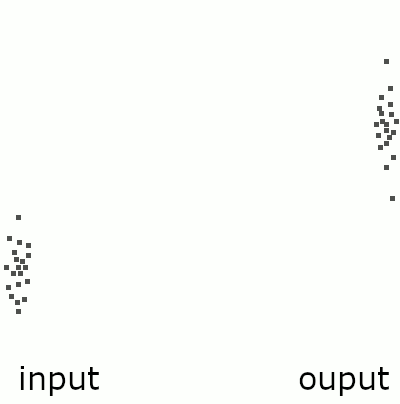
observations
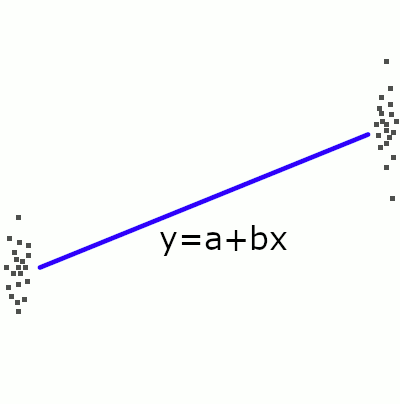
descriptive model
a model that return the output given the input...
explanatory model
... and the definition of a mechanism
Mathematical models and simulation models

Diagrams available at https://github.com/Andros-Spica/modelling-simulation-graphs
Icons by "The Noun Project", various authors (thenounproject.com)
| Input | Model | Output | |
| Machine learning | known | learned after implementation |
known+ predicted after training |
| Simulation | known+ assumed |
known before implementation |
learned after iterations +searched |
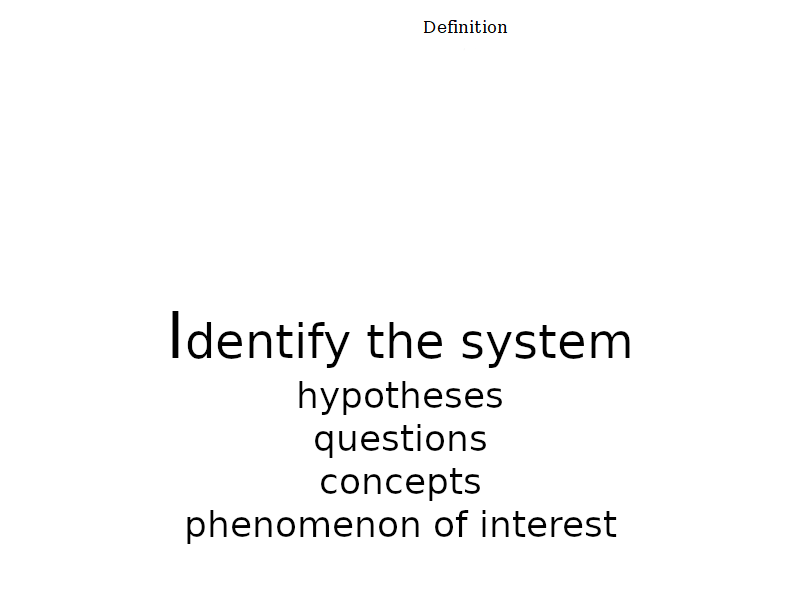
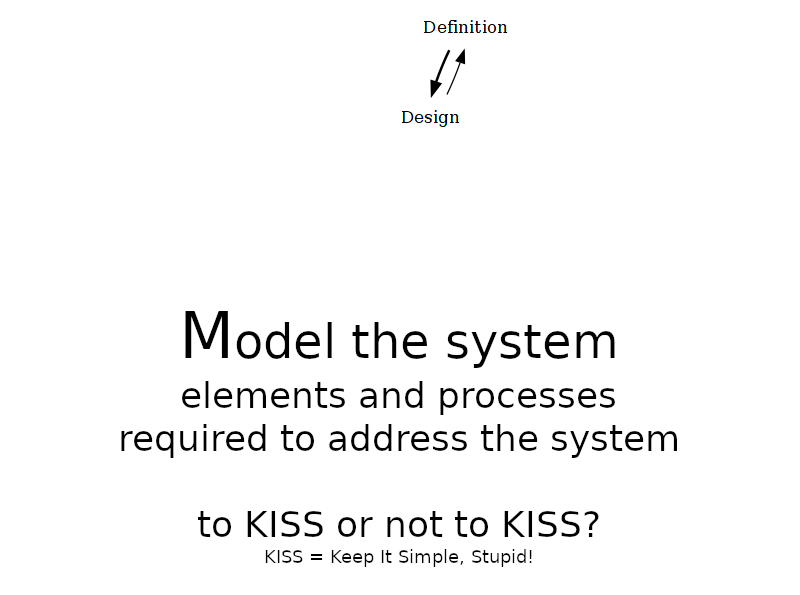
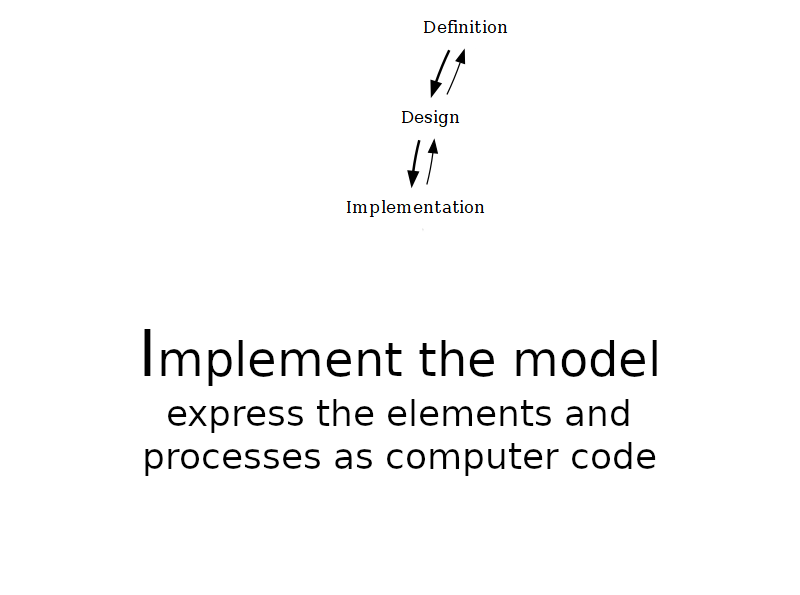
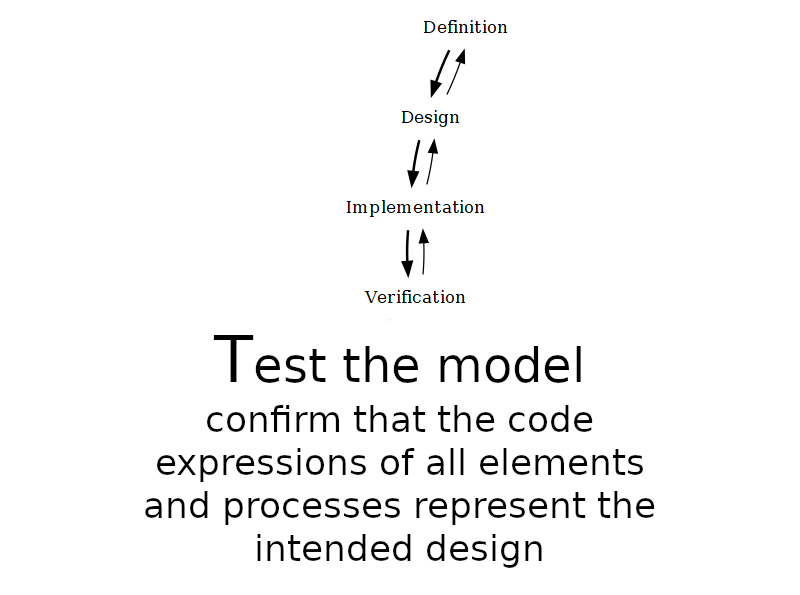
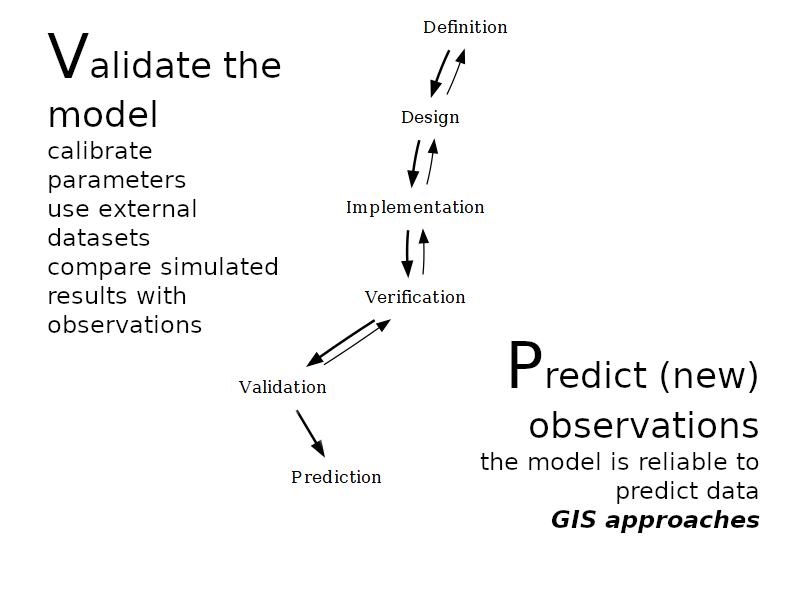
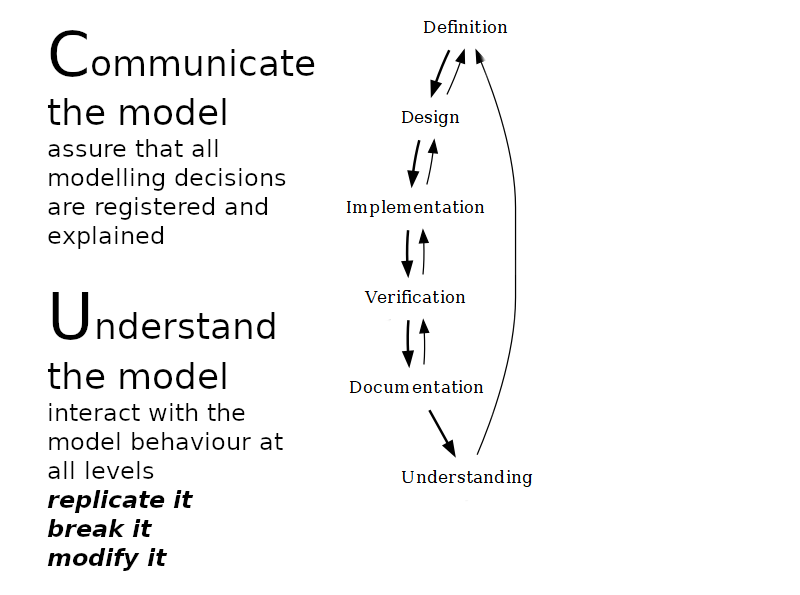
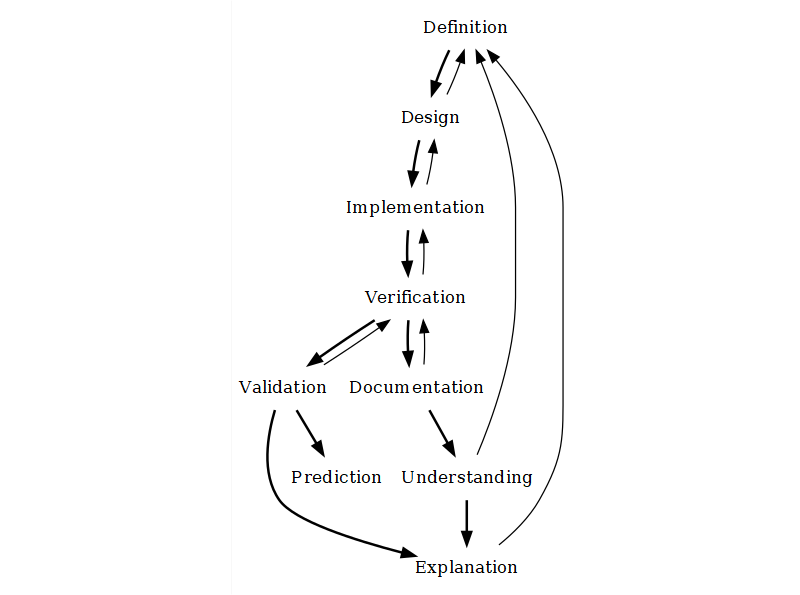
modelling steps
1. What is simulation?
1.3. Agent-based modelling
The prism of complexity science
- Complex system
- complexity: number and diversity of causal relationships
- nonlinearity, self-organisation and self-similarity
-
Unifying frameworks:
- theoretical (e.g., generative social science, socio-ecological systems)
- methodological (e.g., open databases, GIS, ABM)
derivative work: George (talk)Conways_game_of_life_breeder.png: Hyperdeath [CC BY-SA 3.0 (https://creativecommons.org/licenses/by-sa/3.0)], via Wikimedia Commons
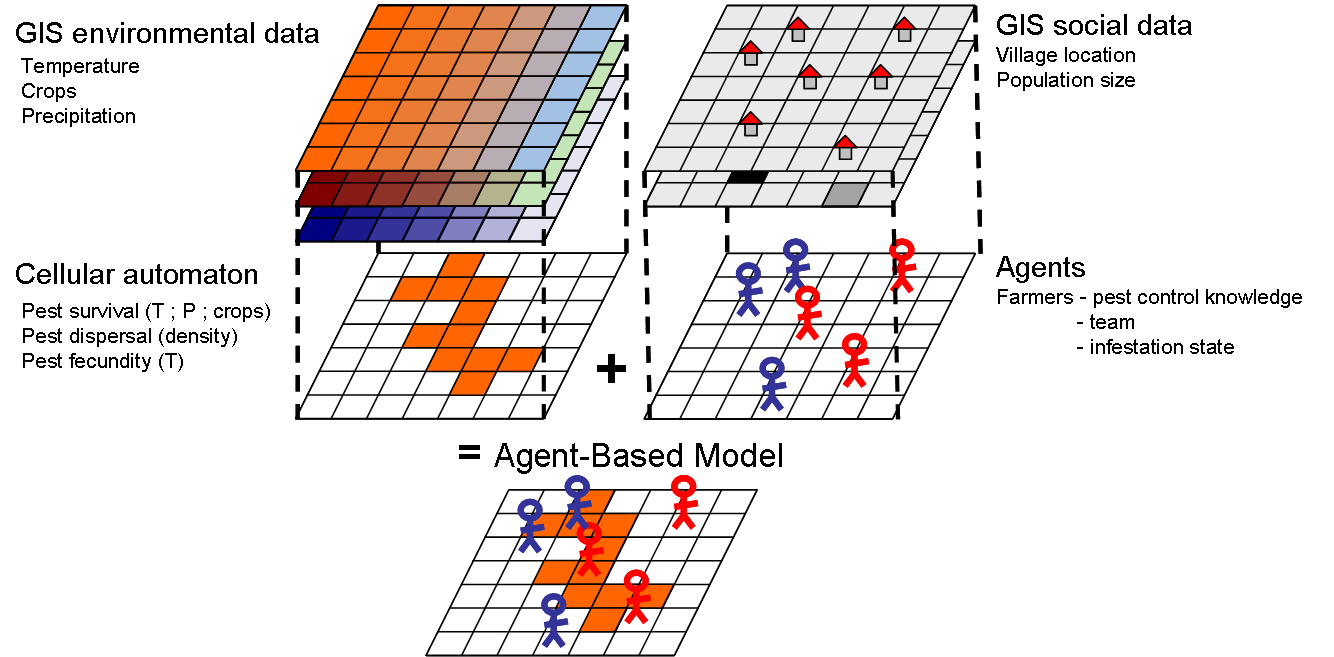
Agent-based modelling (ABM )
- dynamics
- formalisation
- rules
- population
- bottom-up
- stochasticity

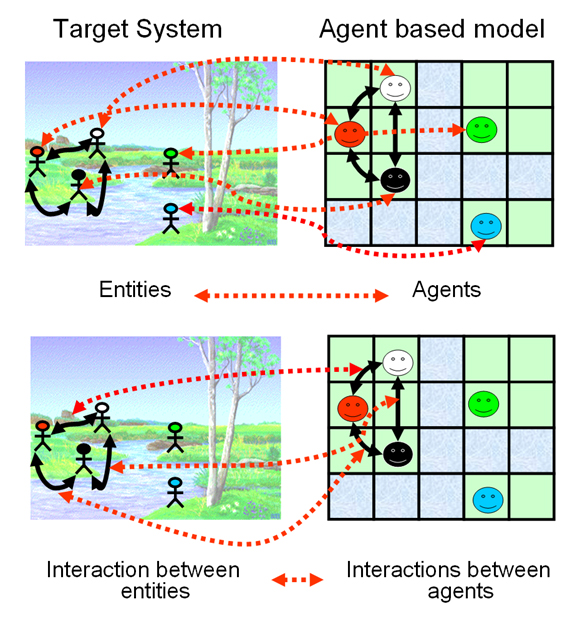
to solve the Stable Marriage Problem
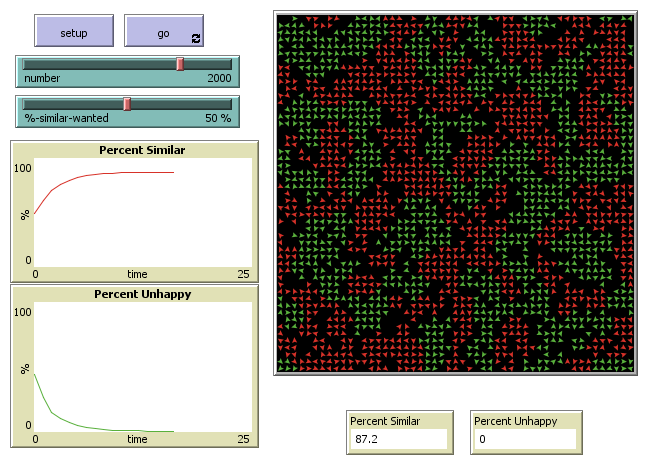
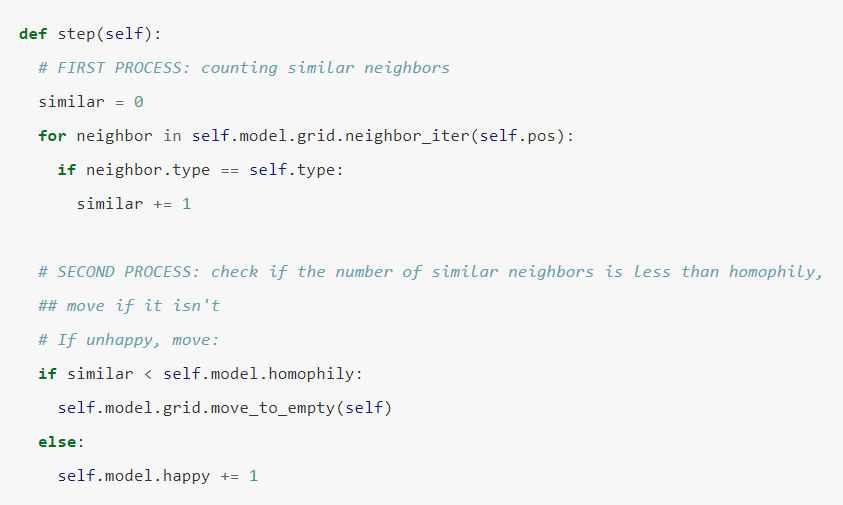
Schelling's segregation model
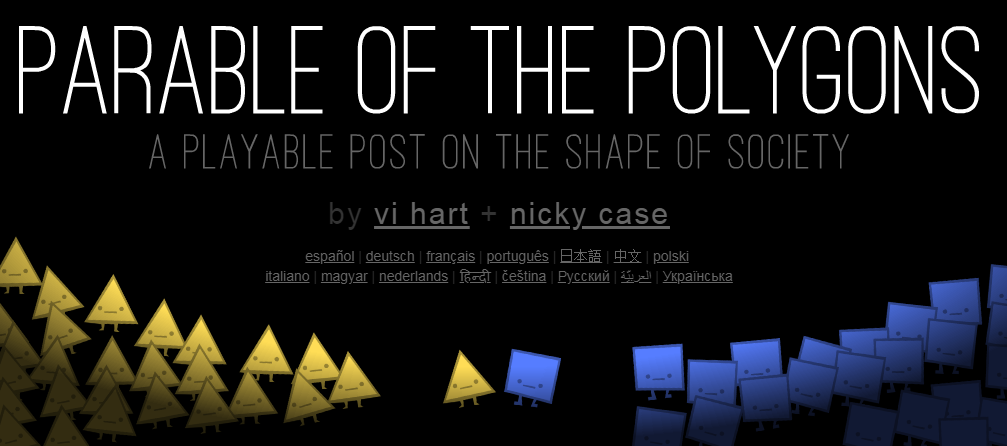
Schelling's segregation model
2. Uses in archaeology
2.1. Methodological considerations
Simulation in archaeological methodology


Diagrams available at https://github.com/Andros-Spica/modelling-simulation-graphs
2. Uses in archaeology
2.2. Application domains
Physical-chemical dynamics
- Artifact production: operational chain (chaîne opératóire), authorship and style, material transformations during manufacturing (Sorensen y Scherjon 2018), use and deposition (Gravel-Miguel et al. 2021)
- Site formation: distribution of artifacts and structures (Gravel-Miguel et al. 2021), preservation, strata formation and taphonomy (Davies et al. 2016), sample bias
Ecological dynamics
- Climate: seasonality (Angourakis et al. 2022), regional variations, climate change (Bocquet-Appel et al. 2014)
- Soils: erosion and sediment accumulation (Kabora et al. 2020; Robinson et al. 2018; Ullah et al. 2019)
- Hydrology: water availability, runoff, irrigation (Altaweel y Watanabe 2012)
- Plants: plant domestication (Angourakis et al. 2022); crop dynamics (Angourakis et al. 2022; Baum et al. 2016); biomass or productivity estimation (Boogers y Daems 2022; Christiansen y Altaweel 2006; Joyce 2019; Robinson et al. 2018); deforestation and wildfires (Boogers y Daems 2022; Snitker 2021)
- Animals: population dynamics under human influence (Morrison y Allen 2017); domestic animal population dynamics (Günther et al. 2021); herd behavior, foraging, and transhumance (Günther et al. 2021; Rogers 2013)
See references in Angourakis 2023 Vegeta
Anthropological dynamics I
- Individuals: pedestrian dynamics (Lake 2001); foraging (Brantingham 2006; Oestmo et al. 2016); kinship (Rogers 2013); mating, marriage, and reproduction (Verhagen 2019); health and mortality (Verhagen 2019); cognition (memory, rationality and learning) (Mokom 2015; Premo y Tostevin 2016; Sousa et al. 2019); cooperation and competition between individuals (Graham 2009; Sousa et al. 2019; White 2013); learning and norm emergence (Gower-Winter 2022; Mokom 2015)
- Groups: household organization and microeconomics (Christiansen y Altaweel 2006; Joyce 2019); emergence of alliances and organizations (Cioffi-Revilla et al. 2015; White 2013); cooperation and competition between groups (Angourakis et al. 2014, 2015, 2017; Cioffi-Revilla et al. 2015; Rogers 2013); group mobility (Rogers 2013; Santos et al. 2015); logistics and military tactics (Rubio-Campillo et al. 2014, 2015; Verhagen 2019)
See references in Angourakis 2023 Vegeta
Anthropological dynamics II
- Settlements: demographic dynamics (natural growth and migration) (Verhagen 2019); resource exploitation (Boogers y Daems 2022); trade (Carrignon et al. 2020; Chliaoutakis y Chalkiadakis 2020; Lawall y Graham 2018; Ortega et al. 2014; Sakahira et al. 2020); cultural evolution (Carrignon et al. 2020; Gower-Winter 2022; Lake y Crema 2012; Mokom 2015; Sakahira et al. 2020); settlement patterns (Altaweel 2015; Chliaoutakis y Chalkiadakis 2016); land use (Angourakis et al. 2014, 2017; Boogers y Daems 2022; Joyce 2019; Robinson et al. 2018; Rogers 2013; Snitker 2021; Ullah et al. 2019); polytogenesis (Cioffi-Revilla et al. 2015; Rogers 2013; Turchin et al. 2013); catastrophic collapse or abandonment (Kohler y Varien 2012; McAnany et al. 2015)
- At regional to global scales: cooperation and competition between territorial states (Turchin et al. 2013); trade routes (Chliaoutakis y Chalkiadakis 2020; Lawall y Graham 2018; Ortega et al. 2014); human species dispersal (Callegari et al. 2013) and genetic and cultural diffusions (Bocquet-Appel et al. 2014; Kovacevic et al. 2015; Mokom 2015)
See references in Angourakis 2023 Vegeta
2. Uses in archaeology
2.3. Examples
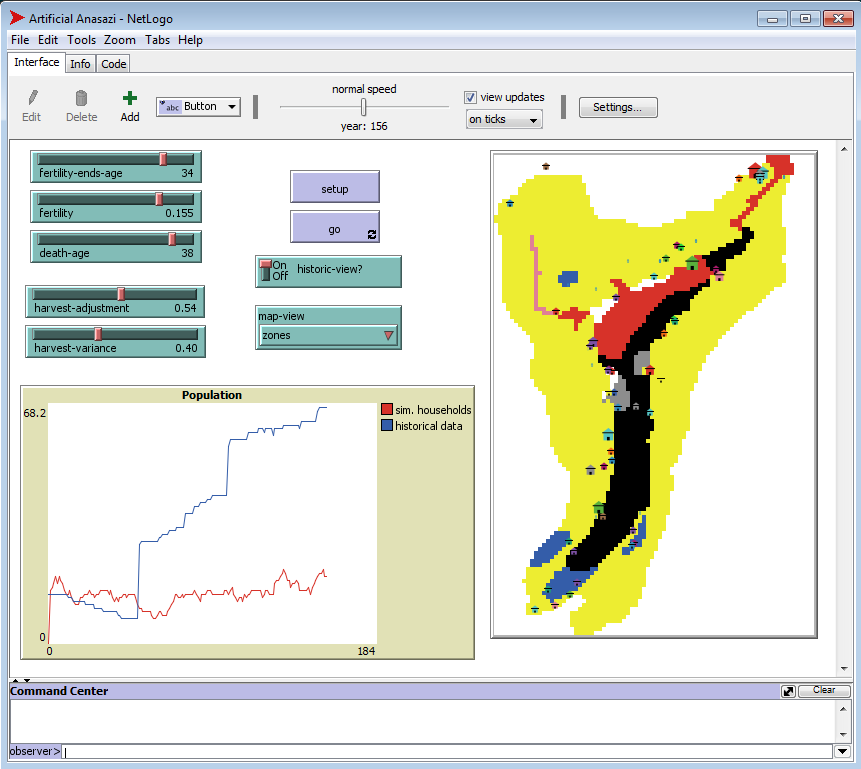
Artificial Anasazi
Janssen, M. A. (2009). Understanding Artificial Anasazi. Journal of Artificial Societies and Social Simulation, 12(4). http://jasss.soc.surrey.ac.uk/12/4/13.html
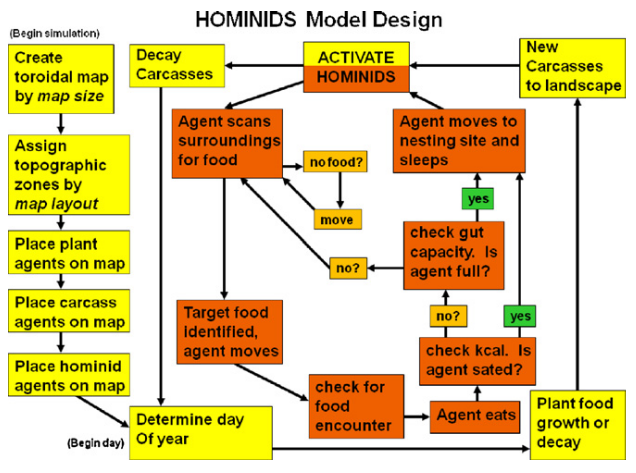
HOMINIDS
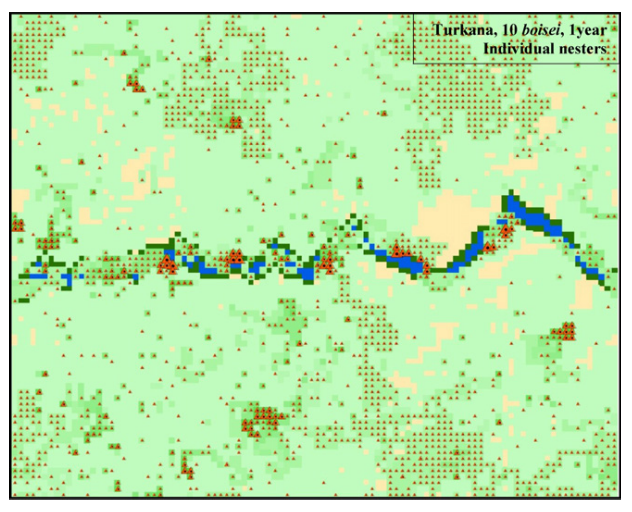
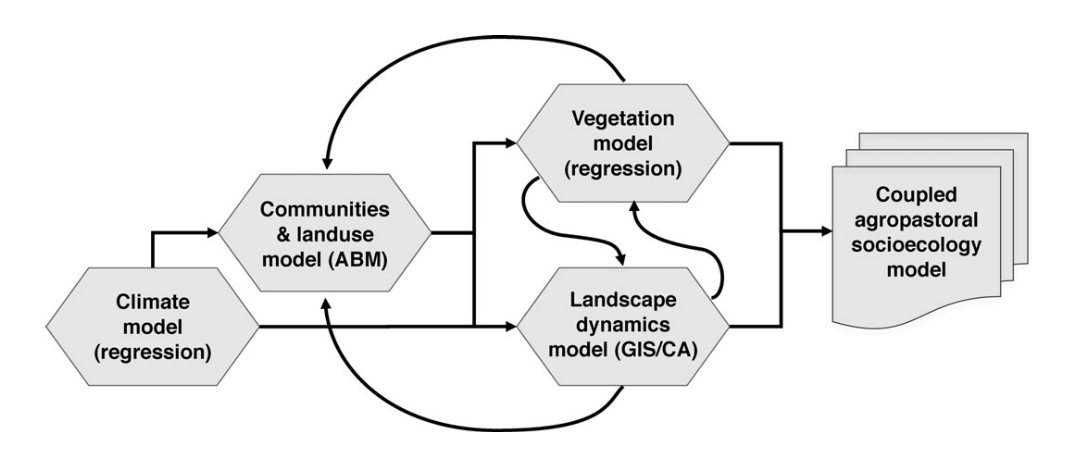
MedLanD
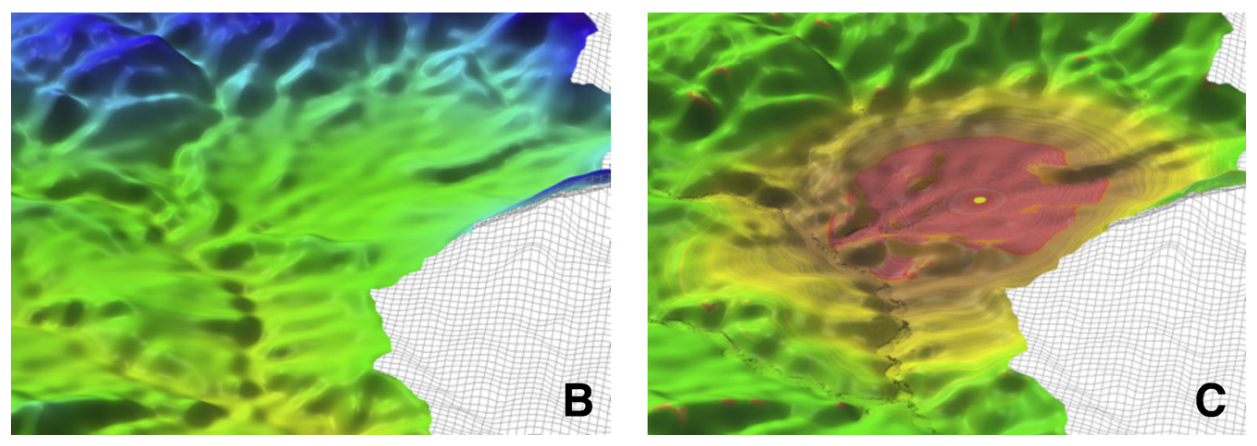
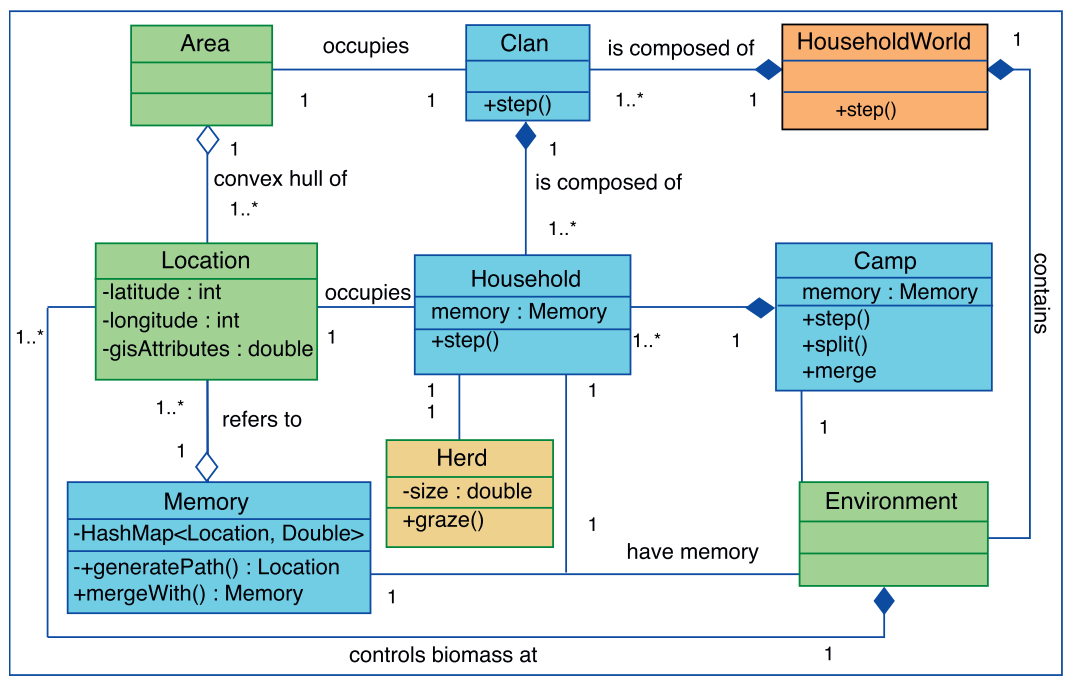
HouseholdsWorld

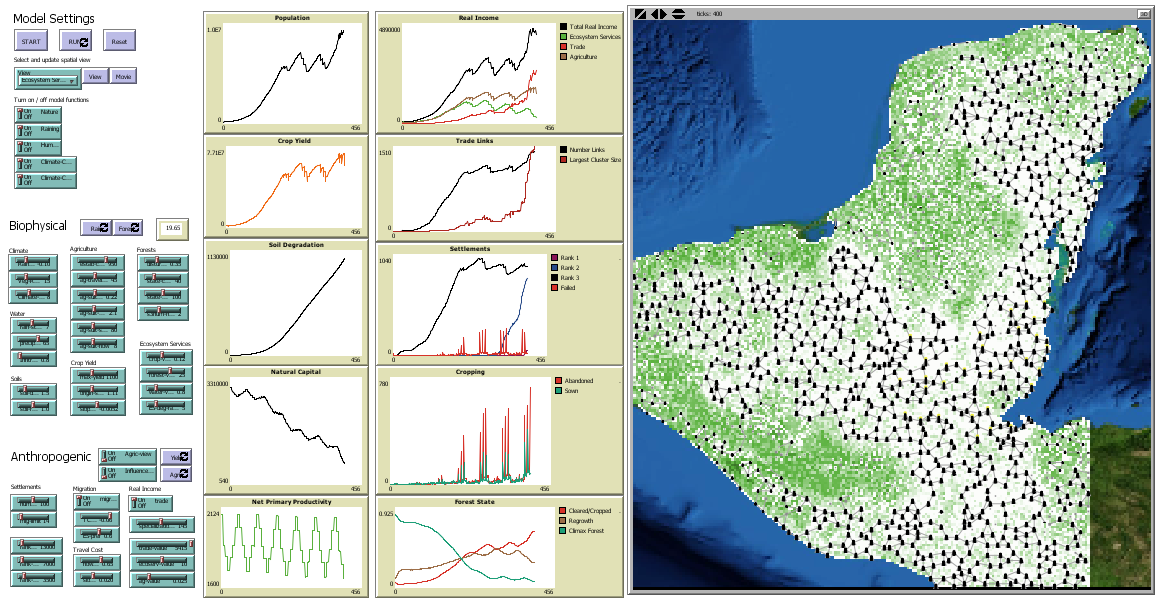
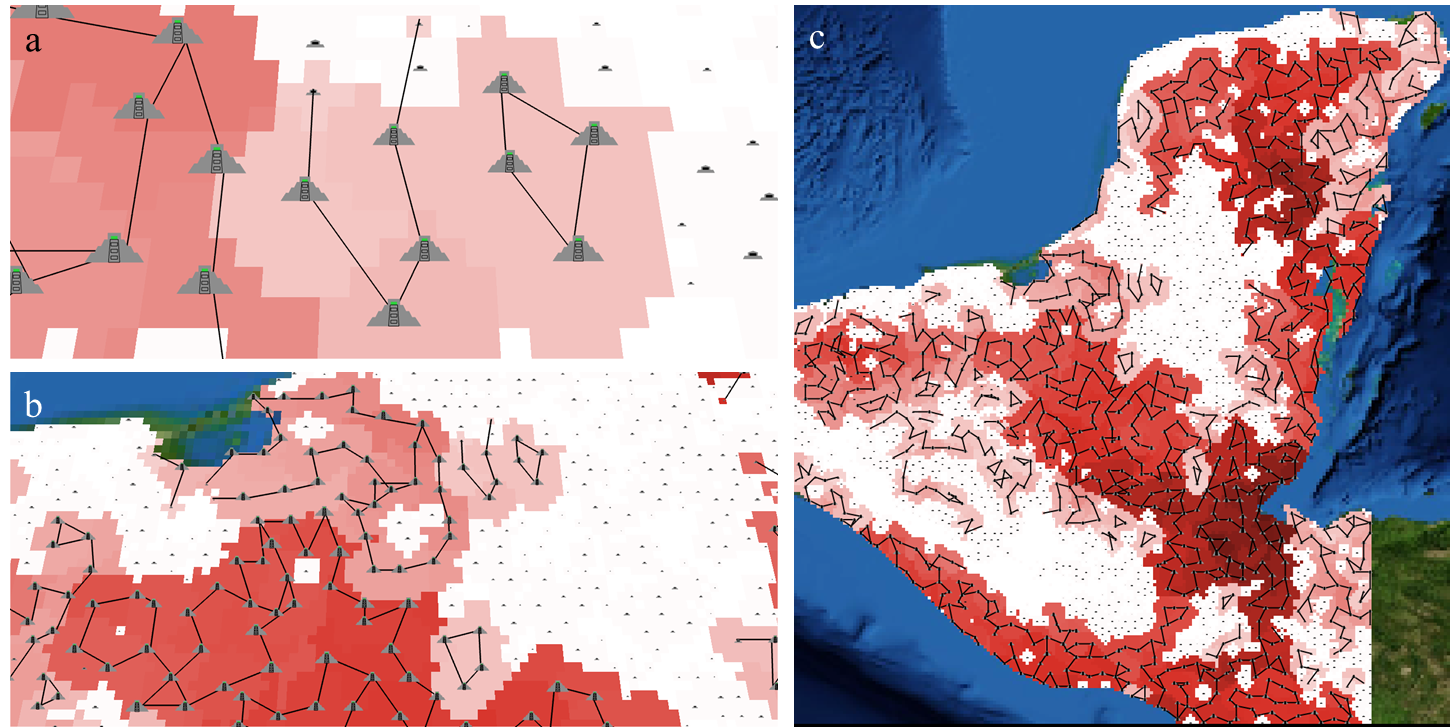
MayaSim
Indus Village model
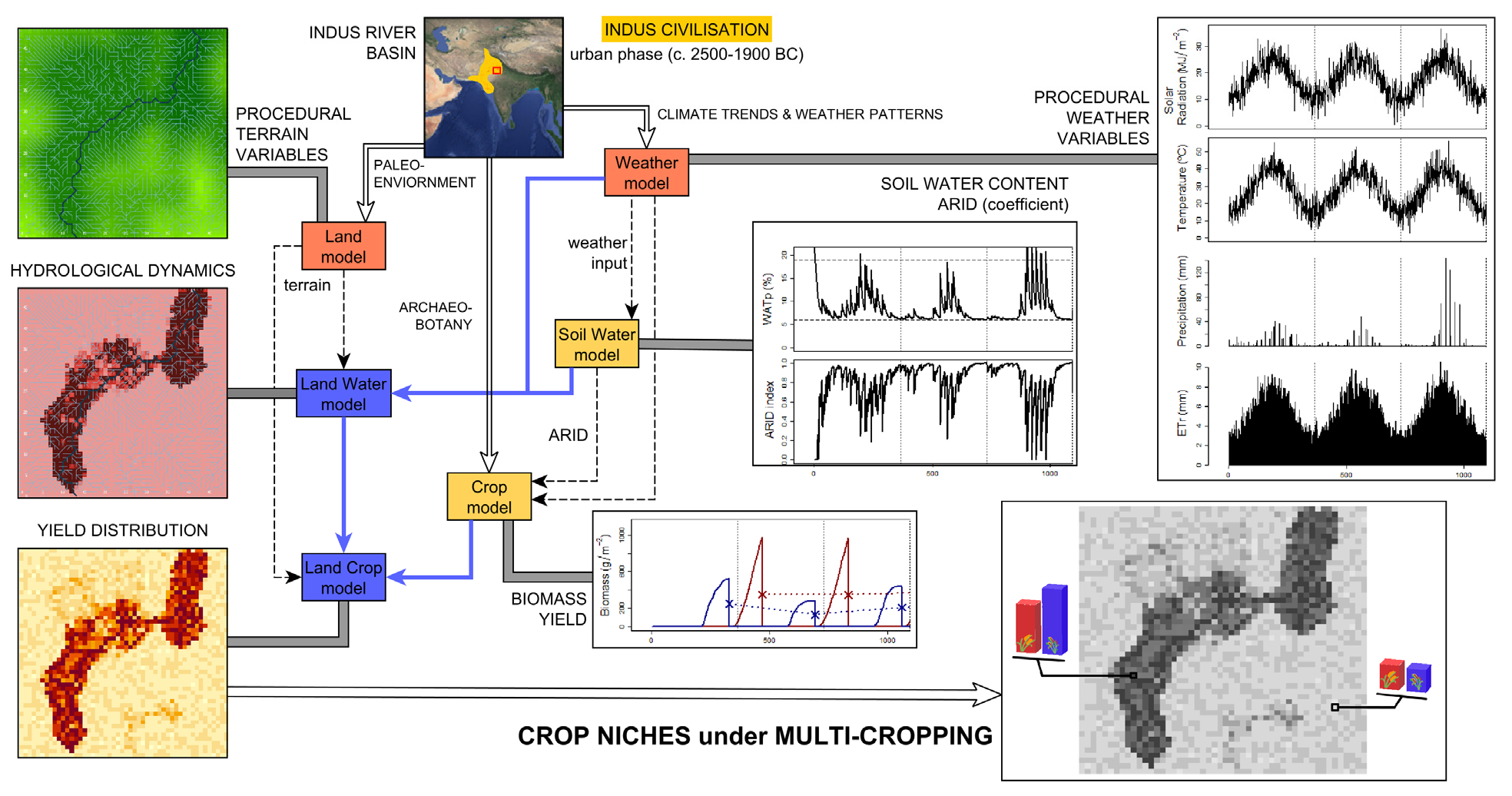

Angourakis et al. 2022, Quaternary | repositorio: https://github.com/Andros-Spica/indus-village-model
Carrignon, S., Brughmans, T., & Romanowska, I. (2020). Tableware trade in the Roman East: Exploring cultural and economic transmission with agent-based modelling and approximate Bayesian computation. PLOS ONE, 15(11), e0240414. 10.1371/journal.pone.0240414
- Eastern Mediterranean tableware trade (Hellenistic and Roman periods)
- 8730 fragments, 5 types, 178 sites (presence/absence by site-type)
- A problem of cultural evolution
- Simulation of cultural transmission algorithms (three hypotheses) together with a market economy model, producing spatial distributions of cultural traits of the merchants of each settlement
- Stochastic exploration of the parameter space for each algorithm, evaluated in light of empirical data, using Approximate Bayesian Computing (ABC) + Population Monte Carlo (ABCPMC)
Combined use of ABM and machine learning
See also:
Carrignon, S., Bentley, R. A., & Ruck, D. (2019). Modelling rapid online cultural transmission:
Evaluating neutral models on Twitter data with approximate Bayesian computation.
Palgrave Communications, 5(1), Article 1. https://doi.org/10.1057/s41599-019-0295-9
2. Uses in archaeology
2.4. Learning resources
Manual
Romanowska, Iza, Colin D. Wren, and Stefani A. Crabtree. 2021. Agent-Based Modeling for Archaeology. Electronic. SFI Press. https://doi.org/10.37911/9781947864382
- Theoretical and practical introduction
- Does not require prior programming knowledge
- Examples and exercises in NetLogo

Tutorial online
Angourakis, A. (2022). Andros-Spica/ABM-tutorial-koeln-2022: Archaeological ABM at Cologne: from concept to application [Computer software]. Zenodo. https://doi.org/10.5281/zenodo.6668143 https://github.com/Andros-Spica/ABM-tutorial-koeln-2022/
- From prototyping to the use of archaeological and environmental data
- Progressive code development in NetLogo


3. Limits and expectations
Methodology
- Disambiguation
- Consolidation of shared models
- Virtual laboratory
- Interdisciplinarity
http://jasss.soc.surrey.ac.uk/11/4/12.html
Theory
- Social emergency and socioecological systems
- Resilience, adaptation, change and collapse
- Settlement and mobility
- Behavior and cognition
Grand challenges for archaeology. Proceedings of the National Academy of Sciences of the United States of America, 111(3), 879–880.
https://doi.org/10.1073/pnas.1324000111
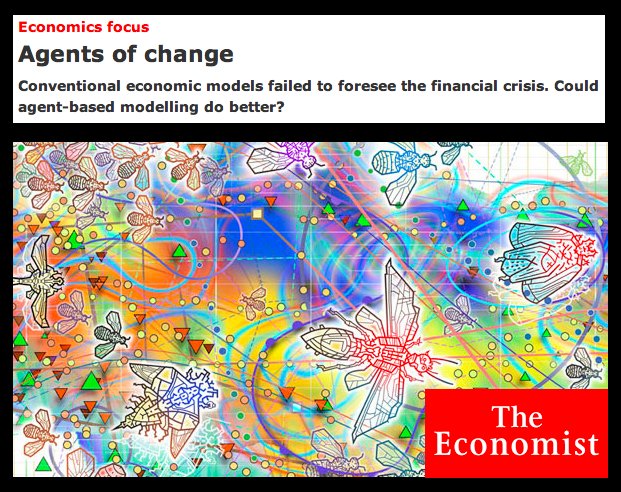
Preadaptation to the archaeological perspective
- Social processes associated with materiality
- Any space and time scale
- Data collection and standardization
- Theory construction and hypothesis generation
Rogers, J. D., & Cegielski, W. H. (2017). Opinion: Building a better past with the help of agent-based modeling. Proceedings of the National Academy of Sciences of the United States of America, 114(49), 12841–12844. https://doi.org/10.1073/pnas.1718277114
Cegielski, W. H., & Rogers, J. D. (2016). Rethinking the role of Agent-Based Modeling in archaeology. Journal of Anthropological Archaeology, 41, 283–298. https://doi.org/10.1016/J.JAA.2016.01.009
Angourakis, A. (2023). El lugar de la simulación social en arqueología. Vegueta: Anuario de la Facultad de Geografía e Historia, 23(1), 15–55. https://doi.org/10.51349/veg.2023.1.02
Limits
- It's not a magic solution
- Long way for standard
- Difficult learning
- Biases
- Underdeveloped validation, documentation and understanding
Future?
- Video game design
(e.g. Project Highrise)
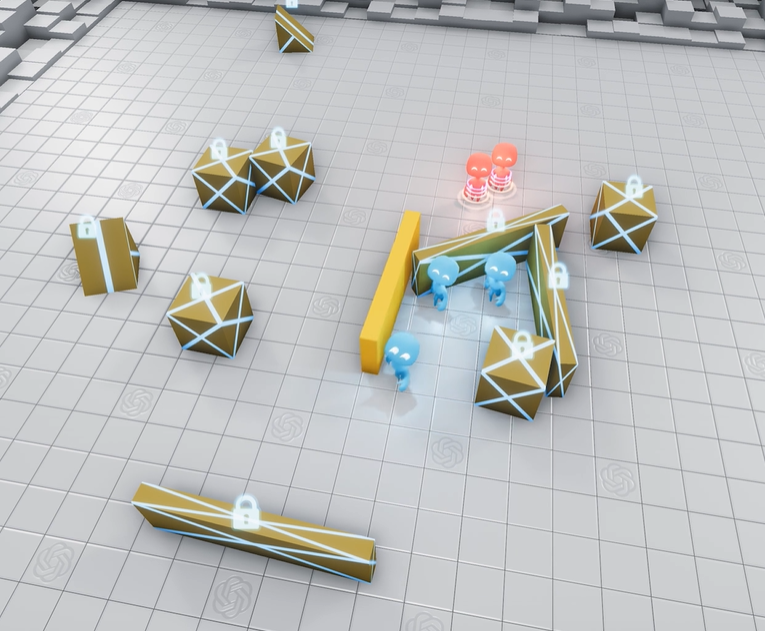
- Deep learning (e.g. robotics)
4. Conclusion
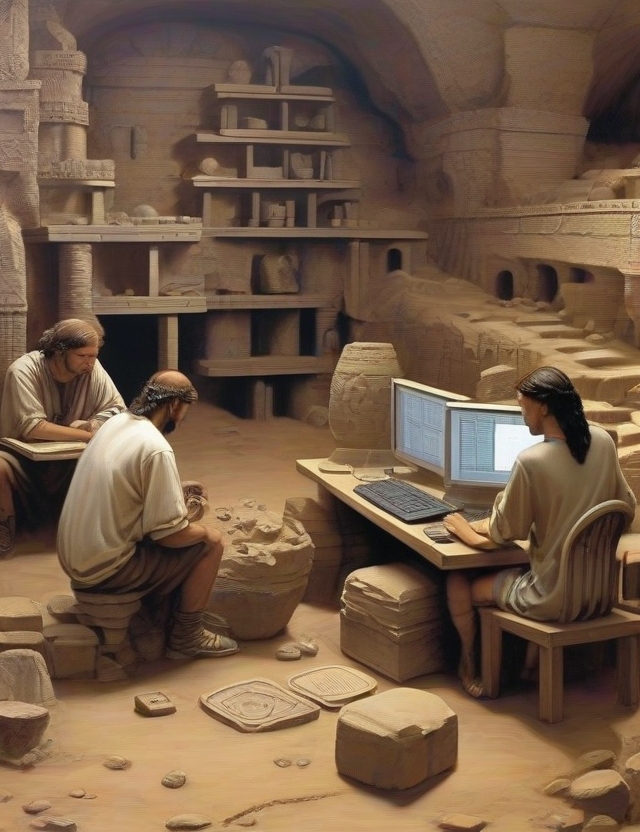

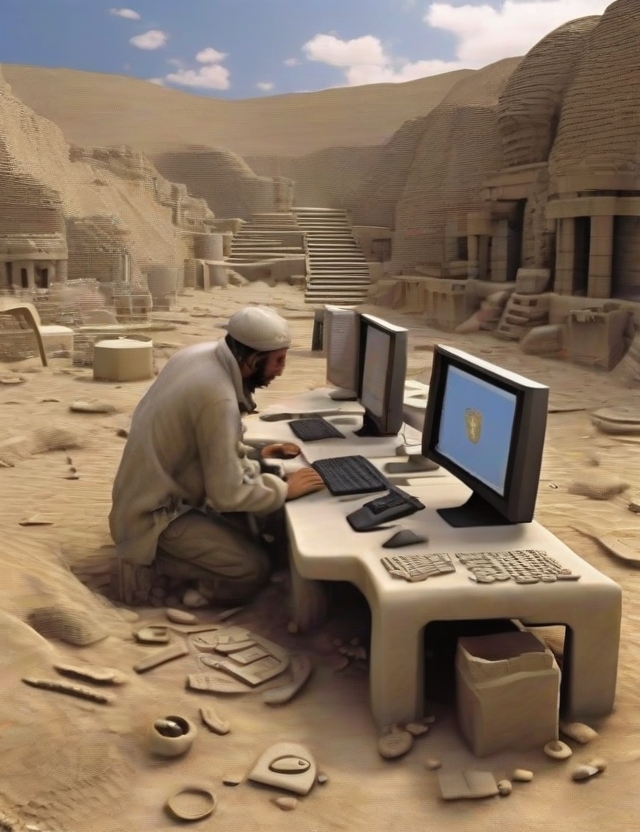
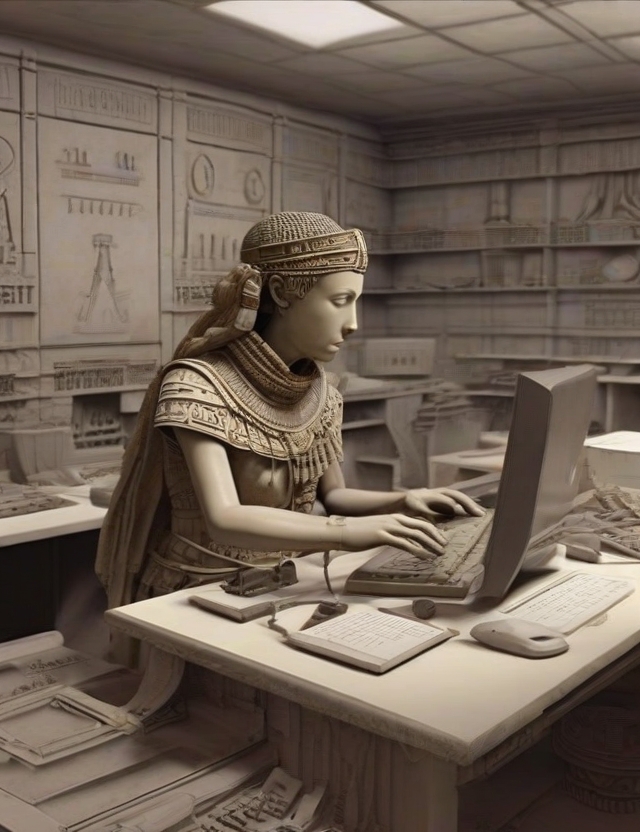
Images created by Leonardo.AI (Diffusion XL) about
"computer simulation in archaeology" and
"computer simulation and mathematical modelling in archaeology".
- Mechanism/explanation is the cornerstone of simulation models
- ABM + archeology:
many avenues available
and yet to be explored - Past social-ecological systems require long-term modelling (deep-time, complex, multidisciplinary)