Archaeogaming
Andreas Angourakis | @AndrosSpicahttps://andros-spica.github.io/URV-computational-archaeology-2024/simulation
- What is archaeogaming?
- Branch 1: "Archaeogaming" (proper)
- Branch 2: "Interactive pasts"
- Conclusions

1. What is archaeogaming?
Archaeology + video games - is it a "thing"?
typical "gamer"
20th century



21st century

:max_bytes(150000):strip_icc()/GettyImages-1437813144-a168dbb56e754fc89f0506368cfecf11.jpg)


Definitions (under construction)
"Archaeogaming is an archaeological framework which, broadly speaking, includes the study of archaeology in and of video games as well as the use of video games for archaeological purposes." (Wikipedia)
"the utilization and treatment of immaterial space to study created culture, specifically through videogames (...)
treating a game world, a world bounded and defined by the limitations of its hardware, software and coding choices,
as both a closed universe and as an extension of the external culture that created it."
(M. Dennis 2016, cited in Wikipedia)
"the archaeology both in and of digital games"
"(...) digital games are archaeological sites, landscapes, and artifacts, and the game-spaces
held within those media can also be understood archaeologically
as digital built environments containing their own material culture."
"Archaeogaming does not limit its study to those video games that are set in the past or that are treated as "historical games,"
nor does it focus solely on the exploration and analysis of ruins or other built environments (...)"
(Reinhard 2018, p. 2)
Two branches
"Archaeogaming" (proper)
- Video games as artifacts
Real-world archaeogaming - Games as artifacts
Ludoarchaeology - Video games as sites
In-game archaeology
"Interactive pasts"
- Archaeology (discipline)
in video games - The (human) past
in video games - Game development
for/from archaeology
2. Branch 1: "Archaeogaming" (proper)
- Previous works exploring the intersection between archaeology (and history) to video games
- A. Reinhard coined the term in 2013 (Blog)
- Field work inspired
- Key idea:
applying archaeological theory and methods to video games
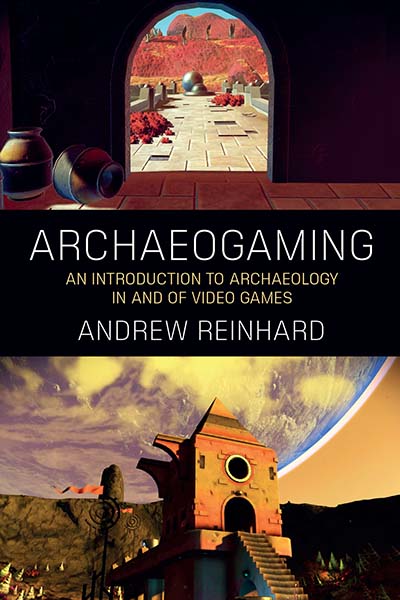

2. "Archaeogaming" (proper)
2.1. Video games as artifacts
- Video games as heritage
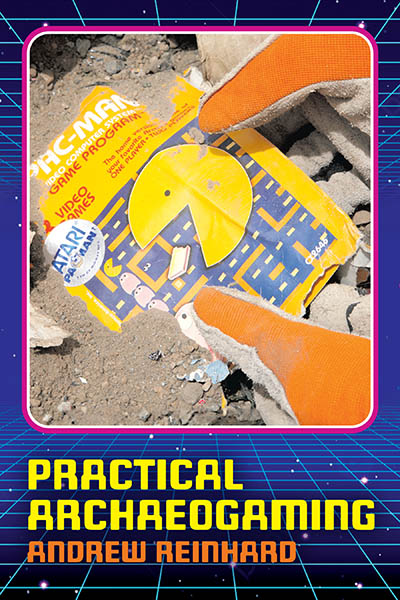
- Atari video game burial:
- dumping of unsold products (1983)
- excavation on 2013
- A. Reinhard involved
- Musealisation and re-selling of finds
- Software documentation and reconstructions
- Institucionalisation
(e.g. Critical Play)

.jpg#/media/File:Atari_E.T._Dig-_Alamogordo,_New_Mexico_(14036097792).jpg)
(left) By Rakhmat Jaka Perkasa, (The New Yorker, 2022)
(right) By taylorhatmaker - Atari E.T. Dig: Alamogordo, New Mexico, CC BY 2.0
, Link
2. "Archaeogaming" (proper)
2.2. In-game worlds

- In-game worlds as co-creation:
- game design (developers)
- game play (players)
- "culturally vocal" object
- Research goals close to sociology/psychology
- Purposeful application of archaeological methods
e.g. No Man's Sky Archaeological Survey
2. "Archaeogaming" (proper)
2.3. Ludoarchaeology
- History and material history of games and game play
- Reconstruction of game rules out of written sources and archaeological finds
e.g. ERC project "Locus Ludi" - Astragaloi - Game play experiments
e.g. Past-at-Play tabletop recording


3. Branch 2: "Interactive pasts"
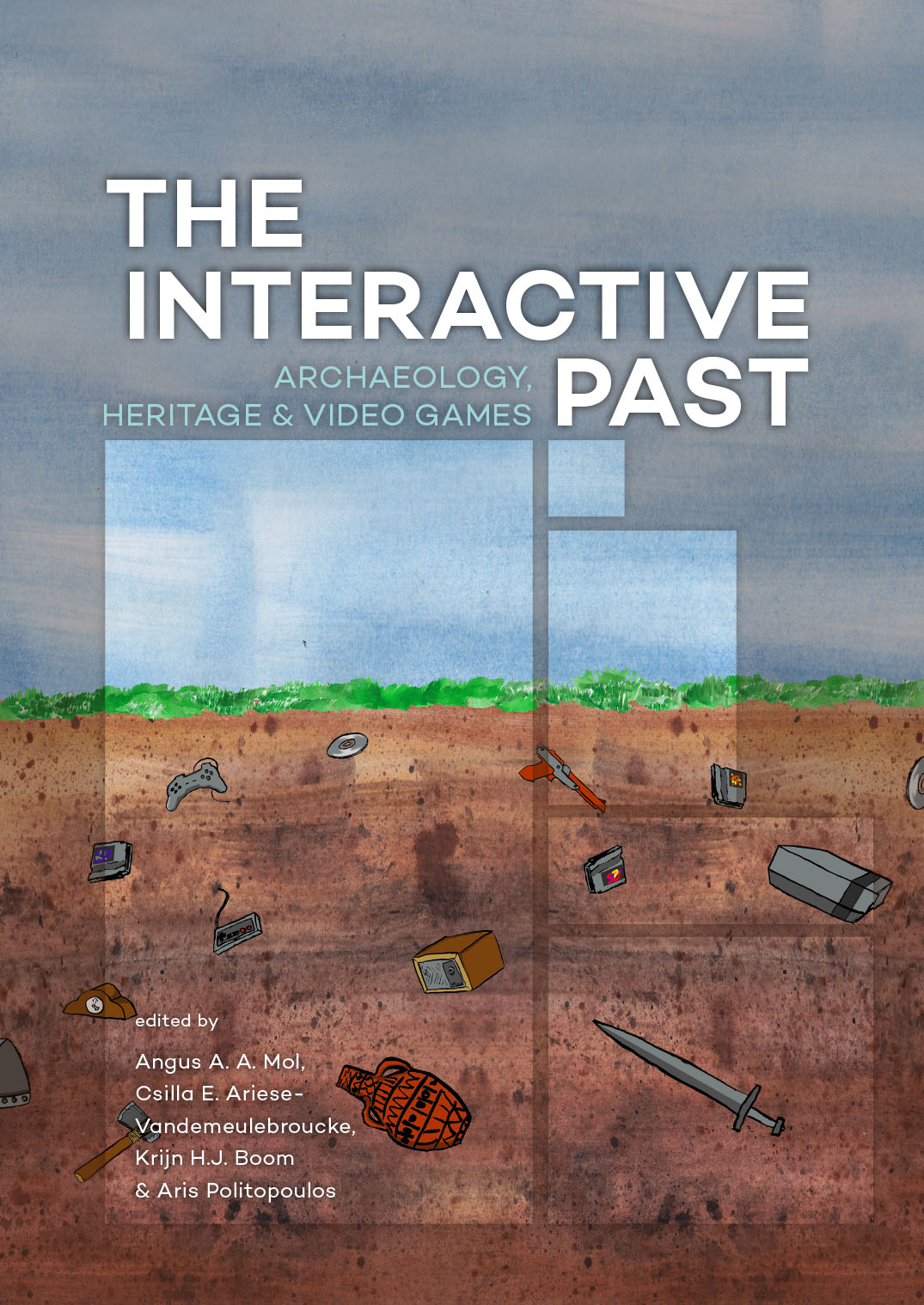


- Branch pushed by the "Interactive Past" Conferences (2016, 2018)
- VALUE foundation
(Leiden, 2017) - Nexus between:
- "Archaeogaming proper"
- Game designers
- Game and media researchers
- Critics with backgrounds in archaeology, history and heritage
(e.g. Public Archaeology)

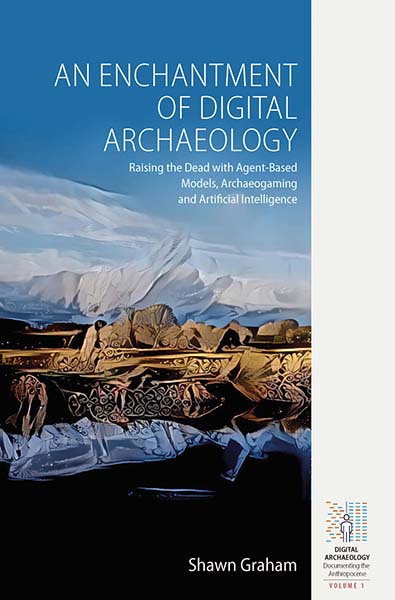

- (Video) game and didactics
(Gee 2014)- Identity projection
- Situated knowledge
- Cultural models: reinforcement and challenge
- Tools for experiencing
recreated pasts:
Story-telling meets 3D models, VR, AR, AI, simulation, etc - Participatory simulation or "reenactment" (Bogdanovych 2010)
- "Enchantment" (Graham 2020)
3. Interactive pasts
3.1. Archaeology (discipline) in video games
Treasure hunter stereotype
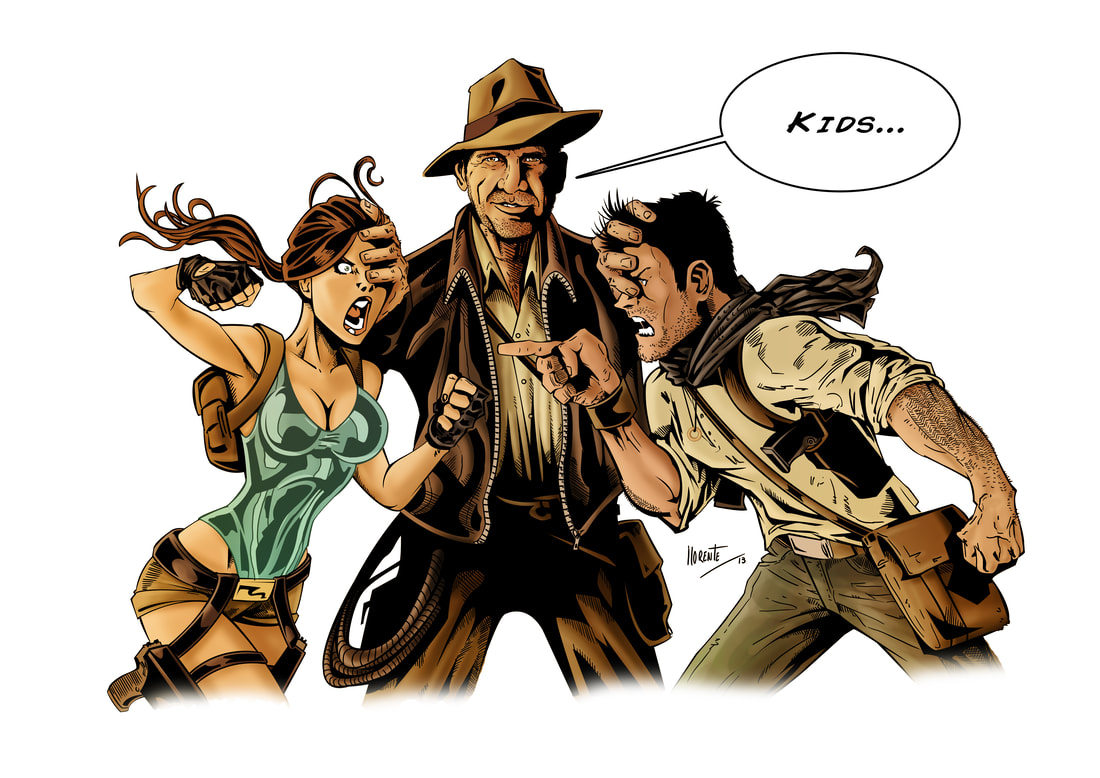


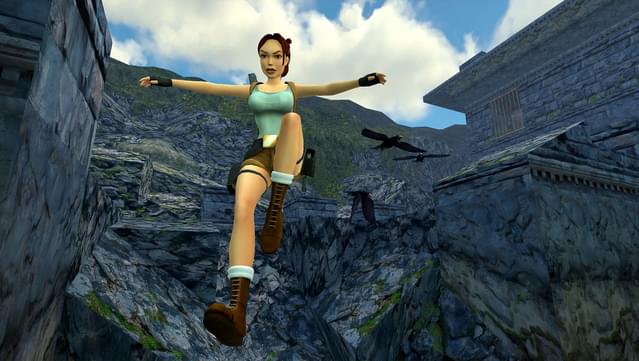
e.g. Indiana Jones, Lara Croft, Nate Drake (Uncharted)
The "Action hero"
less-known approaches

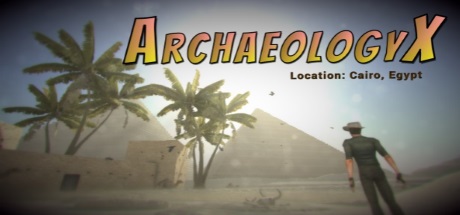
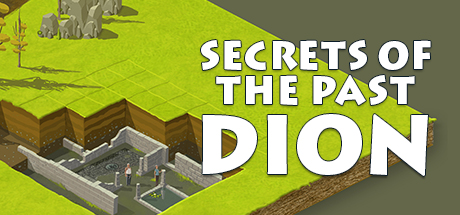

Archaeology as game mechanics
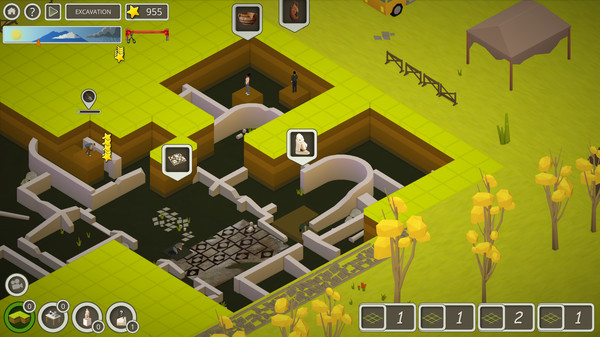


- Digging
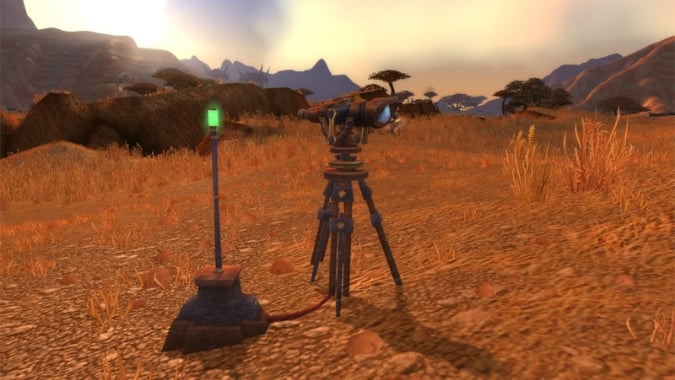
(revealing artifacts and structures) - Treasure hunting
(finding/reassembling artifacts) - Detective work
(understanding past events based on scattered clues) - Puzzle and management
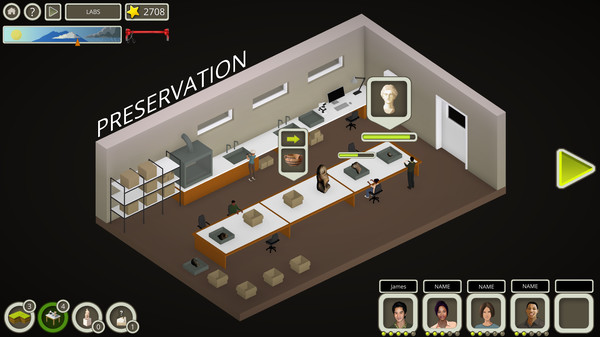
(e.g. reconstructing, cataloging, exhibiting artifacts)
3. Interactive pasts
3.2. The (human) past in video games
Past, everywhere
Historical or history-inspired
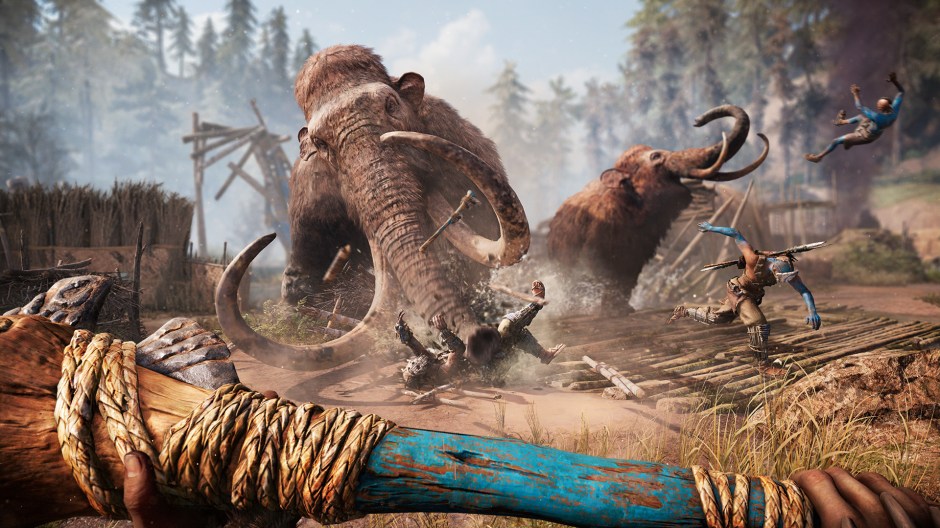

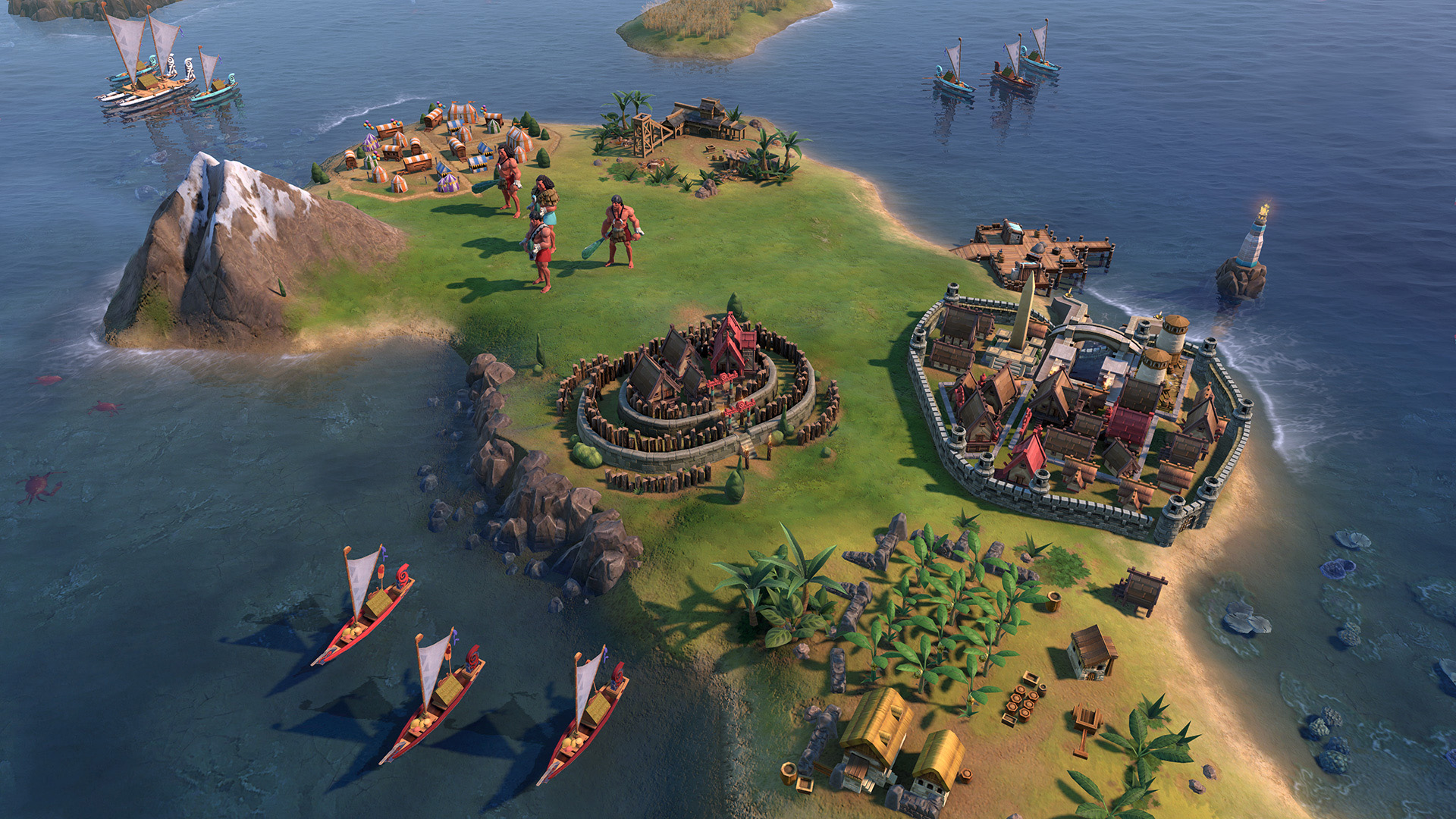
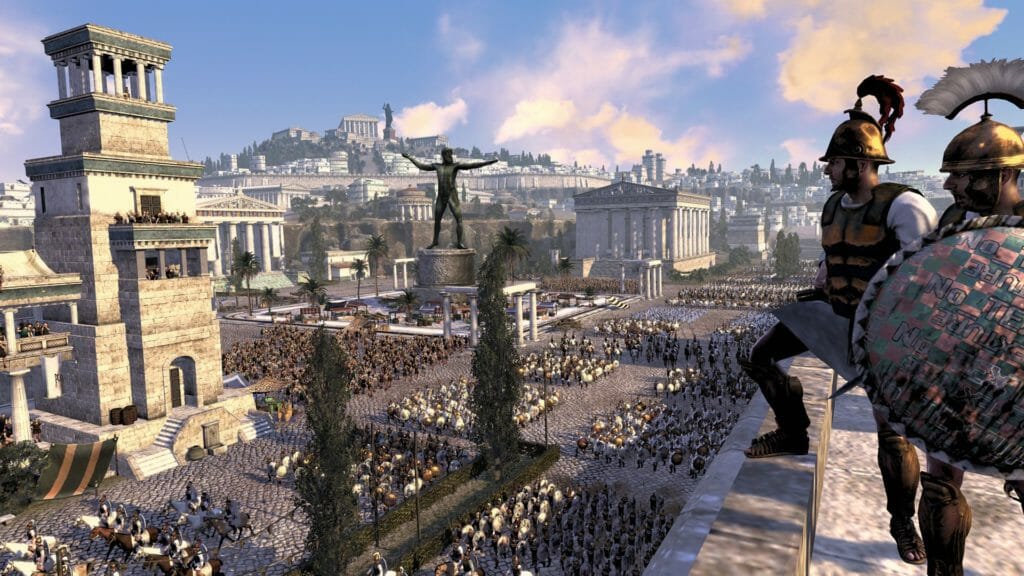
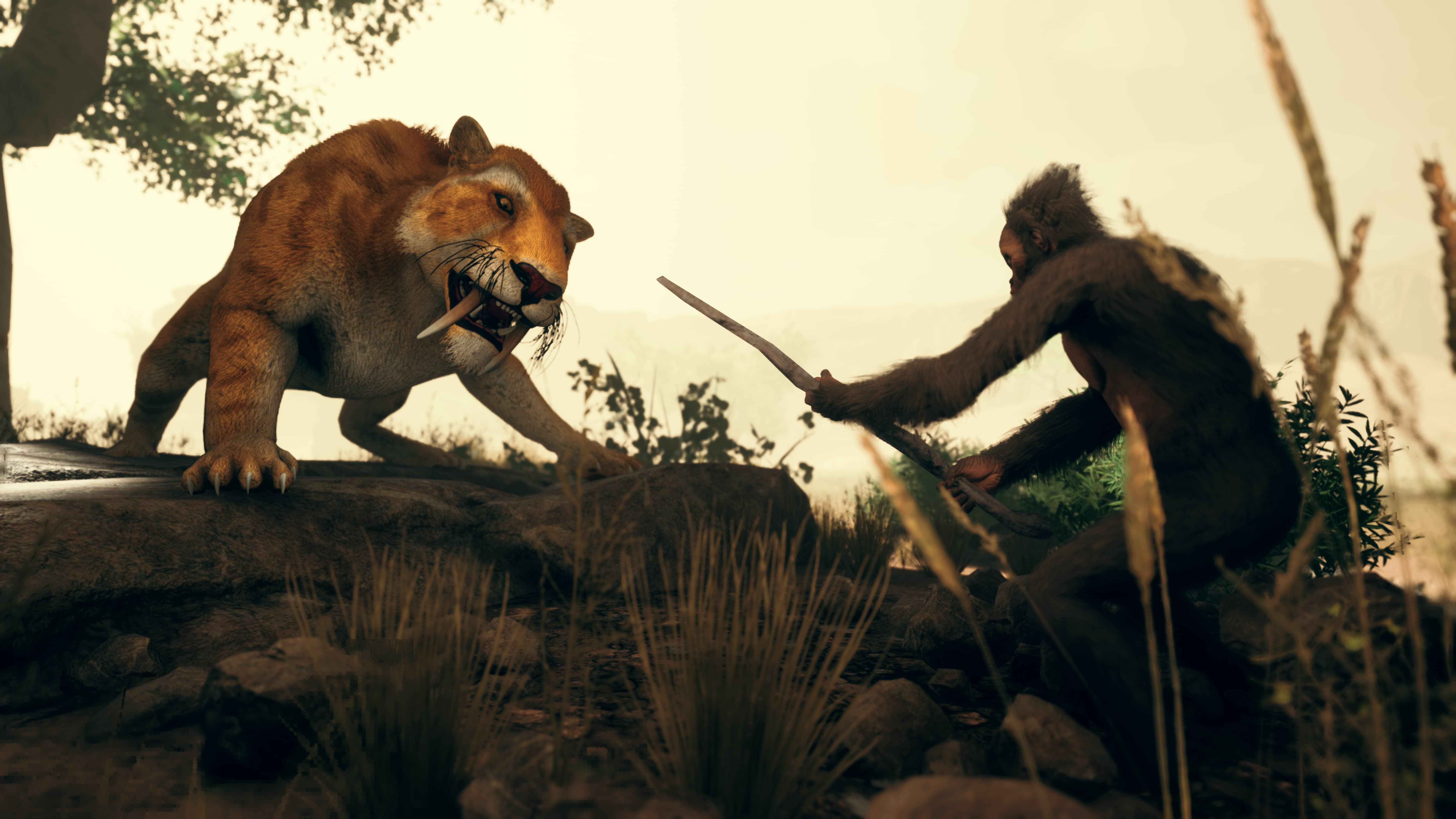
e.g. Far Cry Primal, Assassin's Creed series, Civilization series, Total War series, Ancestors, Dawn of Man
Fictional (fantasy, Sci-Fi)
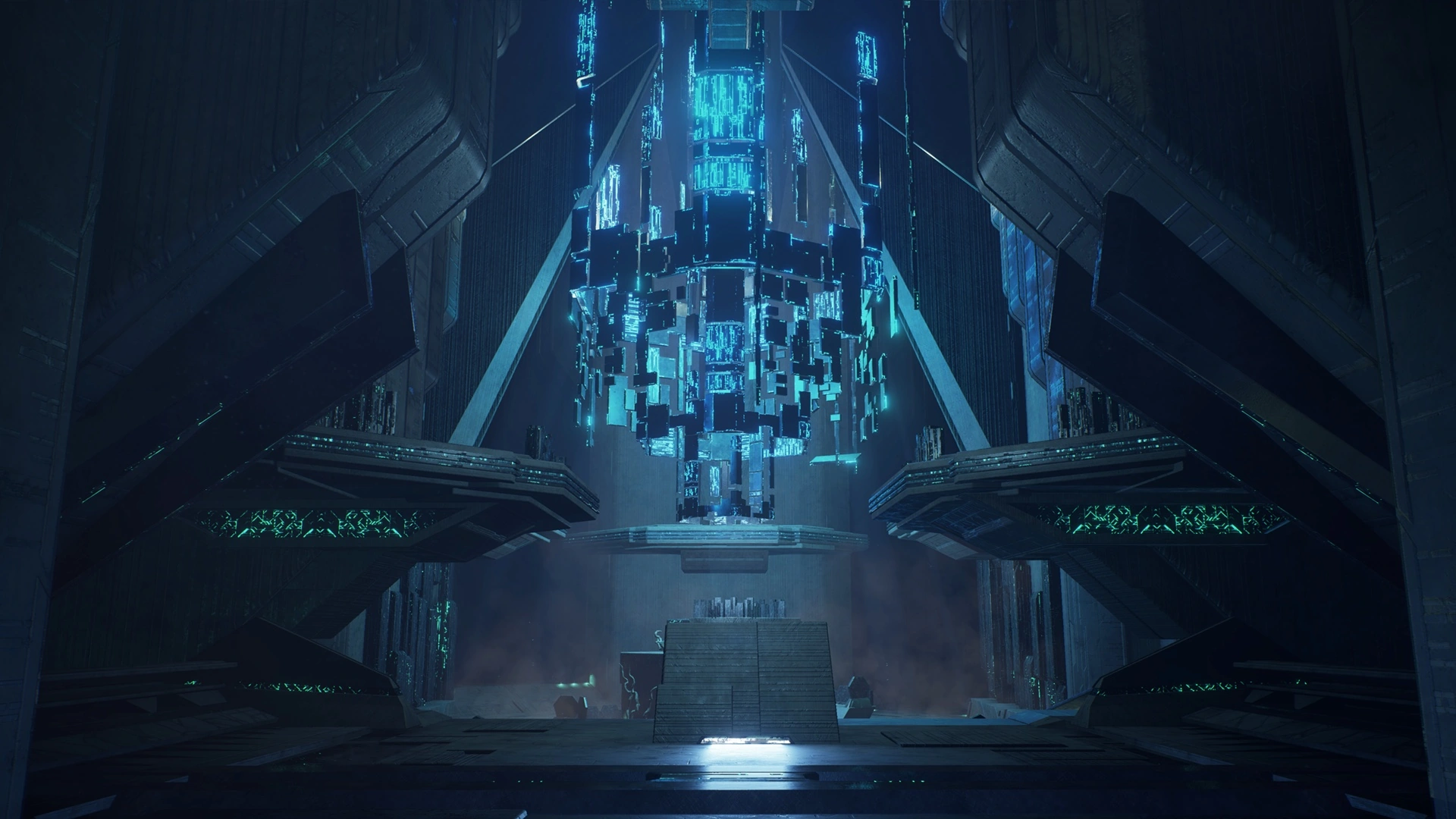

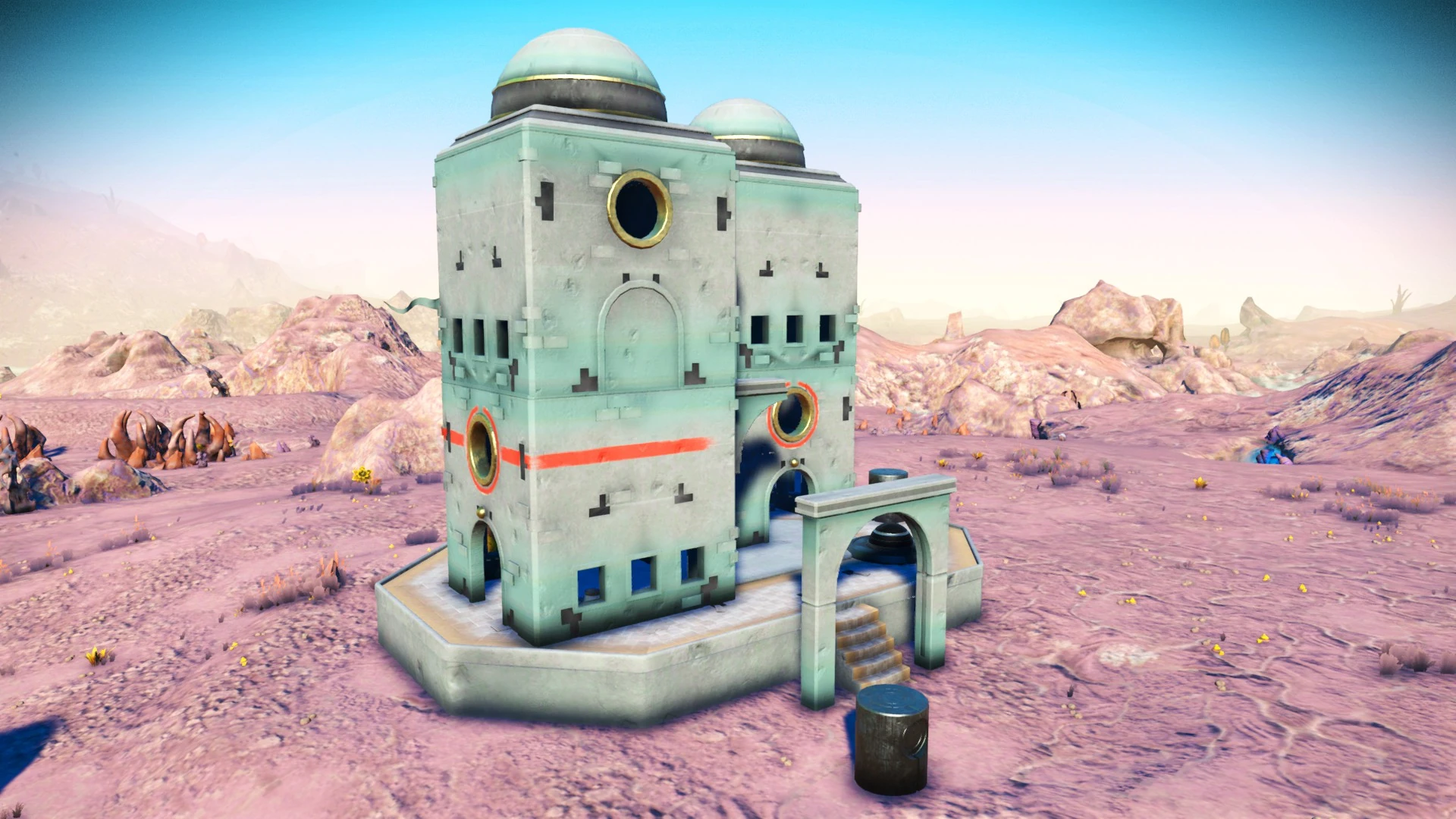
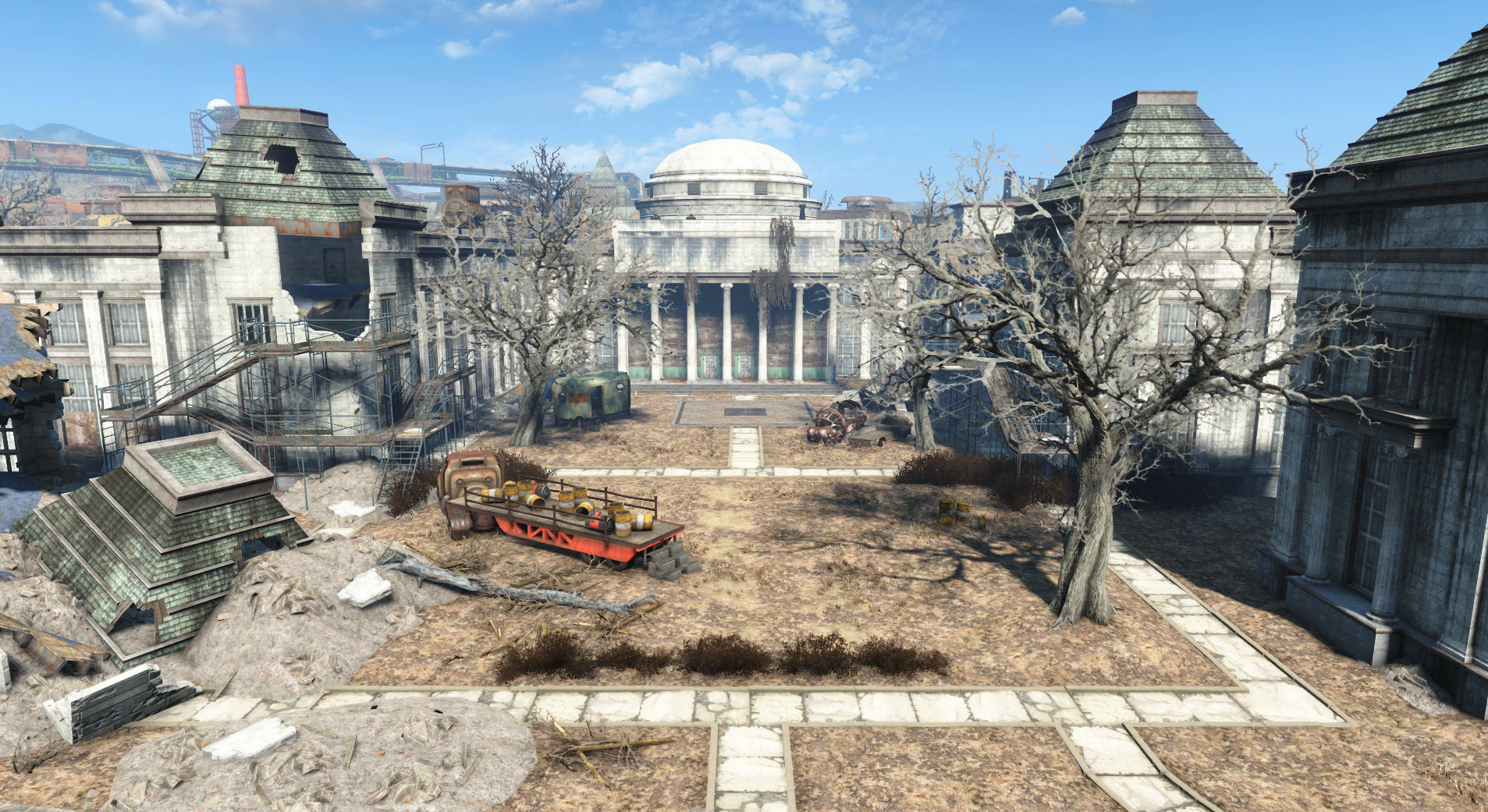

e.g. Mass Effect series, Elder Scrolls series,
No Man's Sky, Fall Out series, Resident Evil series,
The Longest Journey, The Banner Saga
Walking simulators

Story-telling through materials
e.g. What Remains of Edith Finch,
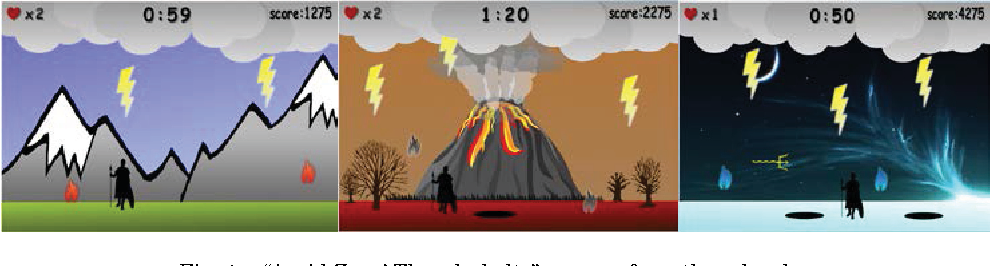
Educational games,
serious games and gamification


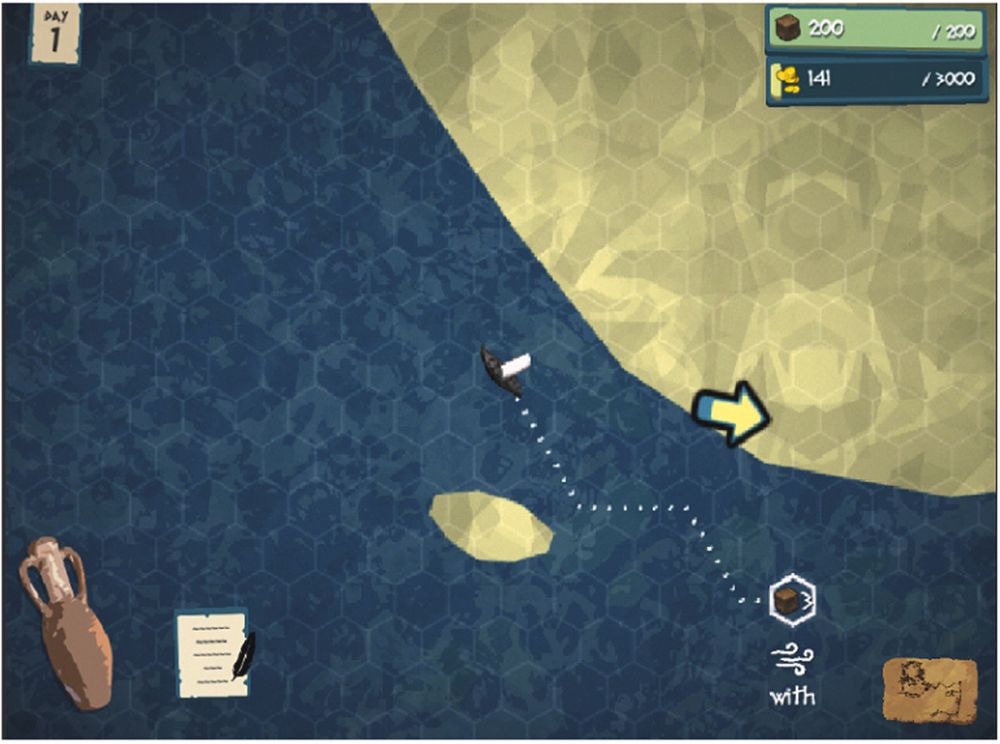

e.g. Rome Reborn, Ancient Olympia, The Seafearers, Reliving the battle of Brandywine Creek
(Anderson et al. 2009)
Avoid Zeus' Thunderbolts (Antoniou et al. 2013)
Assassin's Creed Discovery Tours
3. Interactive pasts
3.3. Game development for/from archaeology

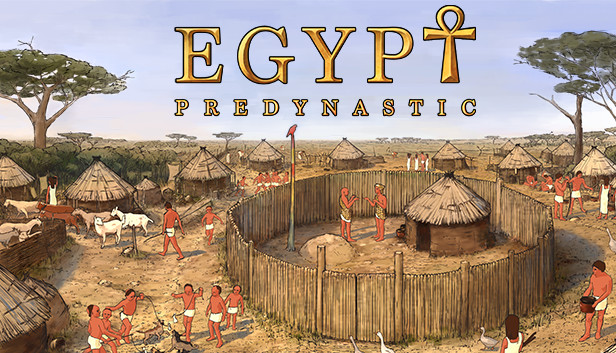
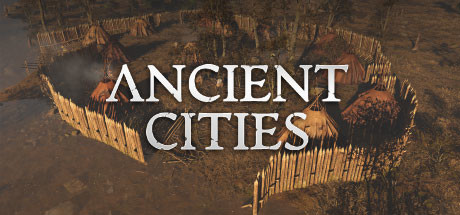
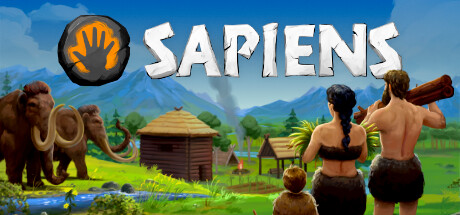

:strip_icc()/pic1442.jpg)

SAMBAQUIS
Ancestors: Stories of Atapuerca
Murphy's Toast Games
Check
Xavier Rubio-Campillo (DIDPATRI, Universitat de Barcelona)
Archaeogaming and simulation
Evolving Planet
Murphy's Toast
Check
Xavier Rubio-Campillo (DIDPATRI, Universitat de Barcelona)
Archaeogaming and simulation
Quantum Leaper
4. Conclusions
- Archaeogaming is an academic "thing",
though diverse - Video games offer an opportunity for engagement
whether for research, didactics, or public transference - Trade-off between game design priorities
(playable, fun, sellable, etc) and
realism, precision, authenticity, ethical sensitivity, and didactic value
.jpg)
Image created by Leonardo.AI (Leonardo Kino XL)